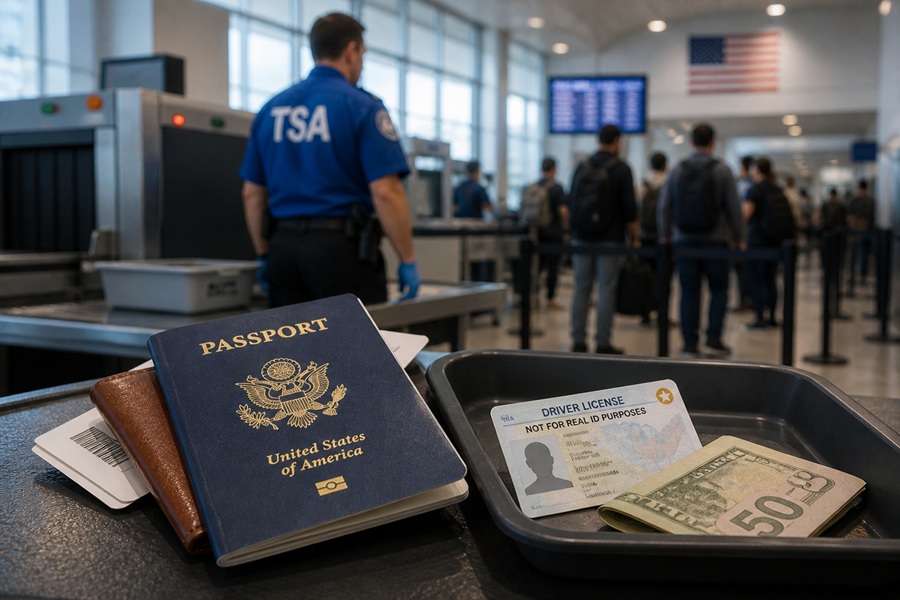
International travel rules can change quickly - and travel bans, entry restrictions, and heightened screening policies are often the most confusing for U.S. travelers. Whether you're planning a trip abroad or need an expedited passport for urgent travel, understanding which countries are affected by U.S. travel bans and what those bans actually mean is critical.
This guide breaks down the current travel ban landscape, what it means for U.S. passport holders, and how to prepare if your destination is impacted.
What Is a U.S. Travel Ban?
A U.S. travel ban is a government policy that restricts or limits entry to the United States for certain foreign nationals from specific countries. Importantly:
- Most travel bans do NOT prohibit U.S. citizens from traveling abroad
- They primarily affect foreign nationals seeking entry into the U.S.
- U.S. travelers may still face entry restrictions, visa suspensions, or heightened scrutiny abroad
That distinction is often misunderstood - and can lead to last-minute travel problems.
Countries Commonly Affected by U.S. Travel Restrictions
As of 2025, travel restrictions typically fall into several categories rather than one universal “ban list.”
1. Countries With Full or Partial Entry Restrictions to the U.S.
These restrictions generally apply to non-U.S. citizens, but travel to or from these countries can still affect American travelers:
- Iran
- North Korea
- Syria
- Yemen
- Somalia
- Libya
- Venezuela (government officials and affiliates)
- Cuba
U.S. citizens can usually travel to these countries, but may face:
- Visa limitations
- Banking and payment restrictions
- Increased questioning on return to the U.S.
2. Countries Under U.S. Sanctions or Travel Advisories
These countries may not be formally "banned", but travel is strongly discouraged or restricted due to safety, political instability, or diplomatic issues:
- Russia
- Belarus
- Afghanistan
- Iraq
- Sudan
- Haiti
- Parts of the Middle East and Africa under active advisories
Traveling to these destinations may impact:
- Travel insurance coverage
- Airline routing and availability
- Emergency consular support
3. Countries That Restrict Entry for U.S. Travelers
Some countries impose their own entry bans or limitations on U.S. passport holders due to political or security concerns.
This can include:
- Visa suspensions
- Denial of entry without explanation
- Additional documentation requirements
These rules can change with little notice.
Can U.S. Citizens Travel to Travel-Ban Countries?
Yes - often, but not always easily.
U.S. passport holders are generally allowed to travel internationally, even to countries under U.S. travel bans. However, you should expect:
- Limited embassy assistance
- Difficulty using U.S. credit or debit cards
- Increased screening upon re-entry to the U.S.
- Possible device searches or extended questioning
If your travel history includes sanctioned or high-risk countries, it will not invalidate your passport, but it may raise flags during border inspections.
Does Traveling to These Countries Affect Your Passport?
Your U.S. passport cannot be revoked solely for visiting a restricted country, but travel history can matter if:
- You apply for Global Entry or TSA PreCheck
- You travel frequently to sanctioned regions
- You seek visas for other countries later
Border officers may ask additional questions to determine purpose of travel.
What U.S. Travelers Should Do Before Booking
If your destination is on or near a travel ban list:
- Check U.S. State Department Travel Advisories
- Verify visa requirements directly with the destination country
- Ensure your passport has at least 6 months validity
- Enroll in STEP (Smart Traveler Enrollment Program)
- Have an emergency plan and backup documents
If your passport is expired or expiring soon, delays can derail your plans fast.
Need an Expedited Passport for Urgent Travel?
Travel restrictions change quickly and urgent international travel often comes with short notice. If you need:
- A passport in 24–72 hours
- Same-day or emergency passport processing
- Help correcting passport issues before travel
We specialize in expedited U.S. passport services, including last-minute and emergency travel situations.
Final Thoughts
Travel bans are complex, political, and constantly evolving—but they don’t automatically prevent U.S. citizens from traveling abroad. Understanding what applies to you, staying informed, and ensuring your passport is valid and ready can save you from costly surprises.
If your travel plans involve restricted countries or urgent timelines, preparation is everything.